Skip to content

Community-focused services

Find the right starting point for support.

A practical guide for families, case managers, and community partners who want to understand the main support pathways before reaching out.

For families

Understand the broad service categories before starting a conversation.

For referral partners

Review pathways, examples, and next steps before contacting the team about current fit.

For individuals

The goal is practical support that respects routines, preferences, safety, and choice.

Service pathways

Support areas, explained plainly.

Each pathway below explains what it is, who it may help, and what a next conversation can cover.

Safe, supported homes

Residential Supports

The Caring Community offers Community Living Arrangements, commonly known as group homes, along with Continuous Residential Supports and Individualized Home Supports. Guidance is shaped around each person's needs, goals, safety, and daily routines.

A warm residential care setting with supportive community activity

Who it may help

People who need support at home, in group living, apartments, or individualized settings.

Examples

  • Daily routines and household support
  • Safety planning and familiar staff
  • Coordination around personal goals

Purposeful days

Day Services

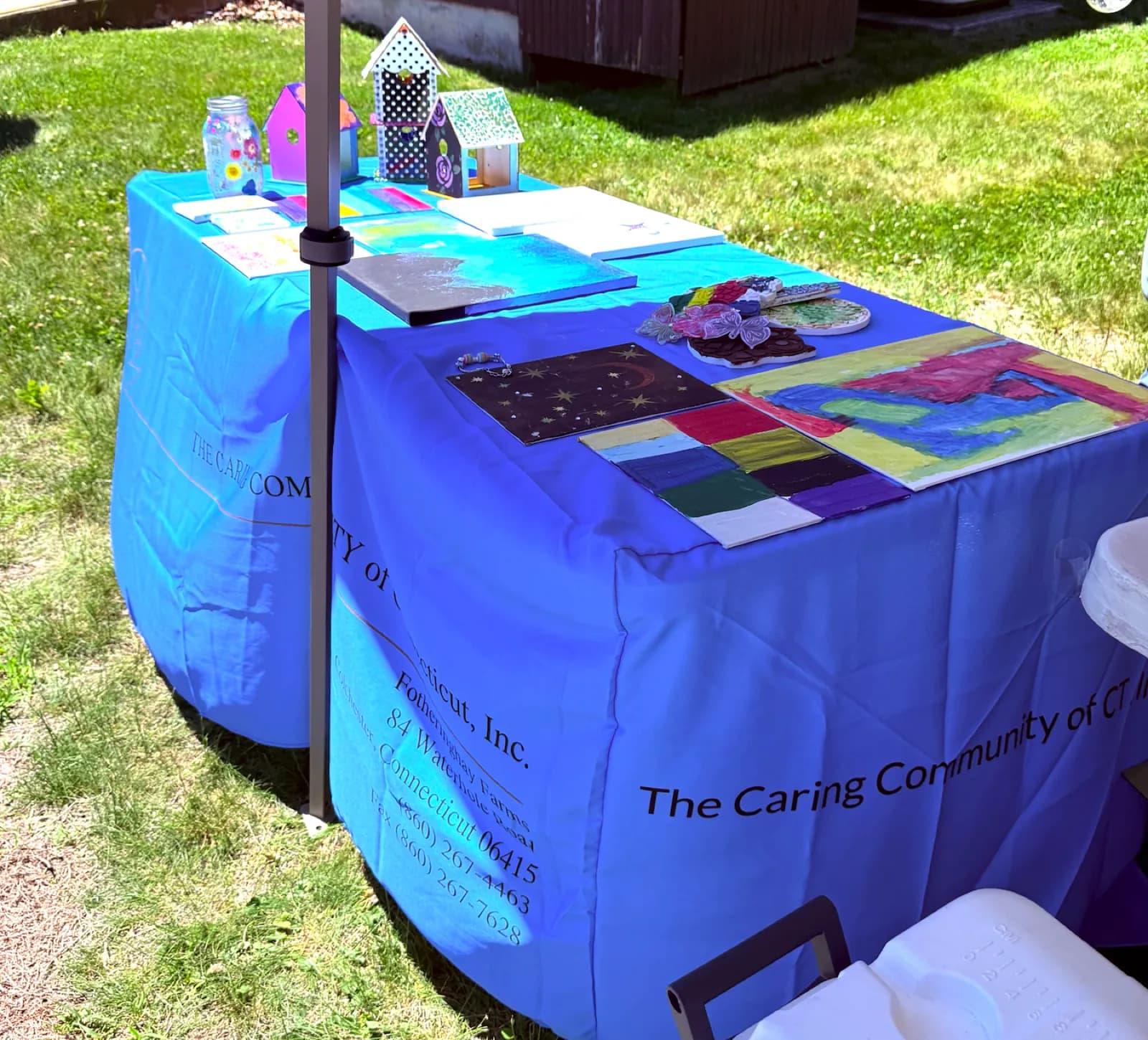
Day programs include hands-on experiences at Fotheringhay Farms, maintenance work crews, community experience programs, opportunities for older adults, and an Adult Learning Center in Colchester. Each program is designed to encourage growth, self-reliance, relationships, creativity, wellness, and meaningful community involvement.

Handmade artwork and creative projects displayed on an outdoor community table
Hands-on artwork, garden starts, and community participation help make days purposeful.

Who it may help

Adults seeking purposeful daytime routines, skill-building, social time, and community participation.

Examples

  • Adult Learning Center activities
  • Work crews and farm-based experiences
  • Community outings and creative programs

Coordinated support

Advanced Services

Advanced services include specialized staff training, daily living skills programs, behavior supports, program monitoring, nutrition and dietary support, counseling, nursing care, safety oversight, recreational opportunities, and coordination with consultants so recommendations can be implemented thoughtfully.

Care professionals reviewing person-centered support plans

Who it may help

People whose support plans require additional coordination, training, health oversight, or consultation.

Examples

  • Behavior and daily living supports
  • Nursing and wellness coordination
  • Program monitoring and staff training

Tools for independence

Assistive Technology

Through a partnership with the New England Assistive Technology Center, The Caring Community helps connect people with technologies, equipment, and training that can improve access, independence, confidence, and participation in everyday life.

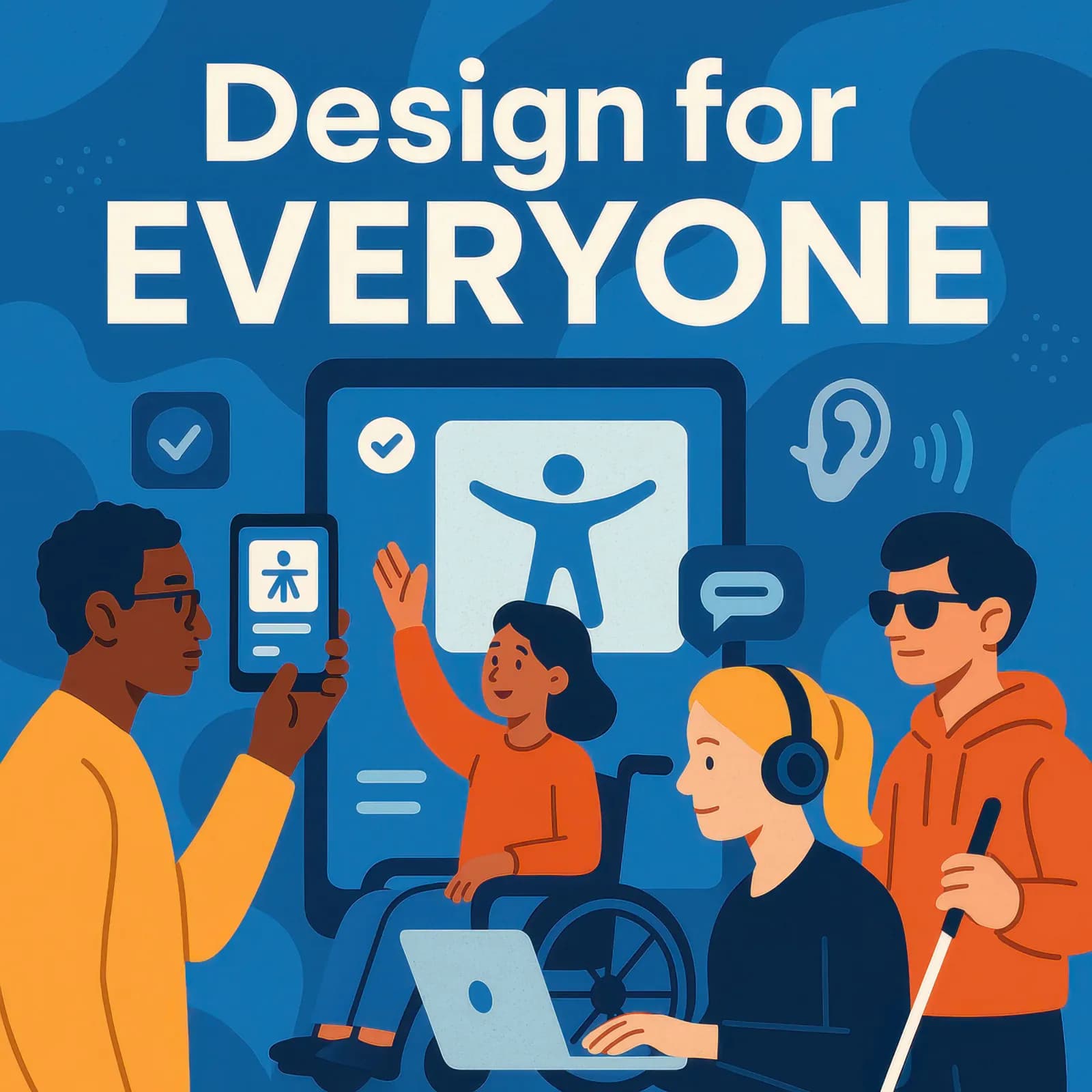
Assistive technology tools supporting independence and access

Who it may help

People exploring tools, equipment, or technology that may support access and independence.

Examples

  • Adaptive tools and equipment
  • NEAT Center connection
  • Training around everyday use

Not sure where to start?

A conversation is the best first step.

Tell the team what you are looking for. They can discuss current services, referrals, availability, and whether a pathway may be a fit.

Common questions

Helpful guidance before you reach out.

A few important answers before you contact the team about services, referrals, eligibility, or availability.